Reimagine the future of dining
Enabling luxury restaurants to provide best dining experience to the diners and better able to manage operations.
For
Woobly | Smarter Dining Experiences
My role
User Research, User Interviews, Journey Mapping, Sketching, Wireframing, Screen Flows, Visual Design, Interaction Design, WaiterLITE Concept and 3D Prototype
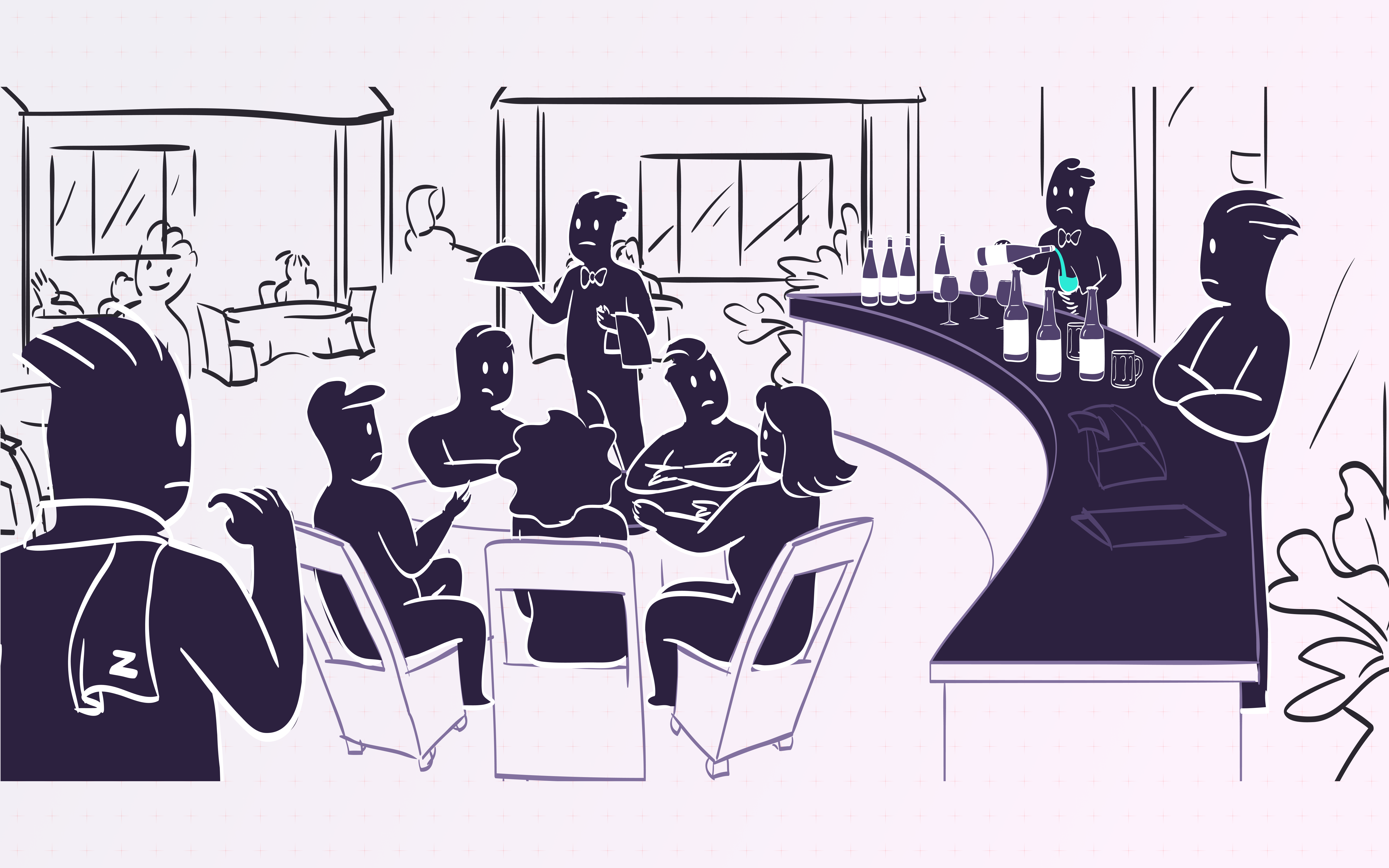
What does the current landscape look like?
We at woobly wanted to get a clear picture of how our primary users went about discovering the restaurants for their hangout journeys.
In order to get a better understanding of their behaviors and motivations, here are some research techniques I used for the redesign.
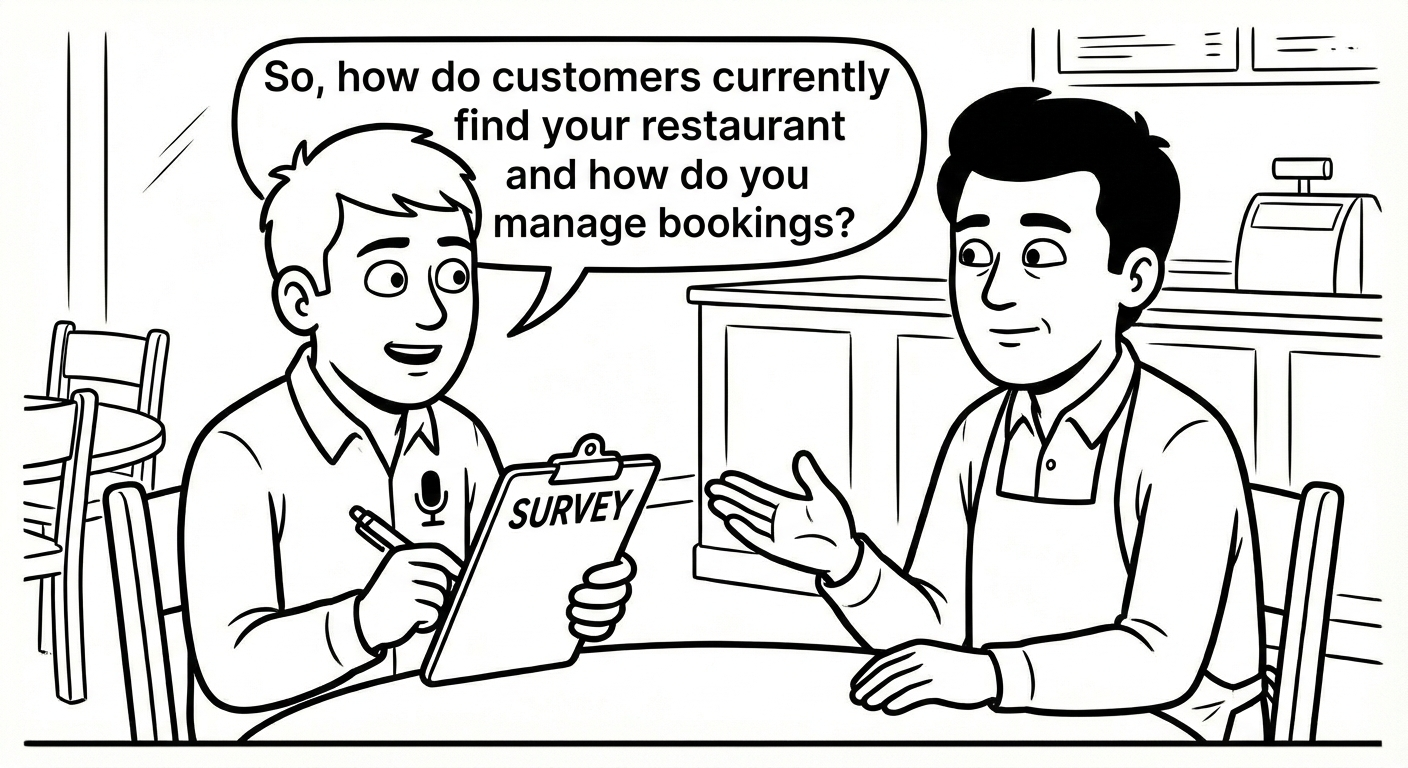
Qualitative and Quantitative data:
By performing in-person interviews and conducting surveys, I learnt existing user behaviors for restaurant discovery and management at restaurant side.
Online customers reviews:
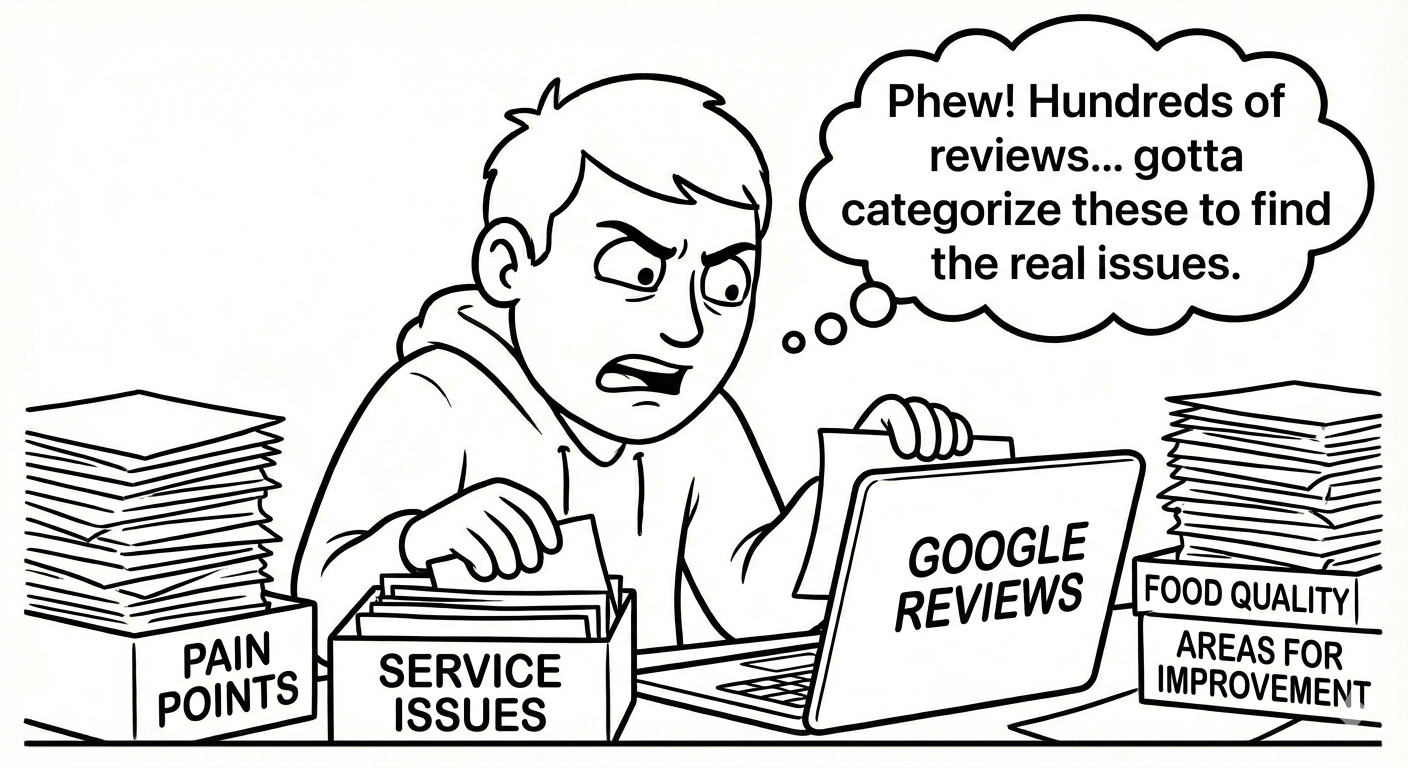
I sifted through hundreds of reviews and comments left by users on Google and Restaurant booking Apps , and further categorized them under buckets and highlighted them in terms of importance. This was some crucial feedback that helped me identify various pain points and areas of improvement.
Problem statement
Do you wonder what’s exactly happening in the restaurant?
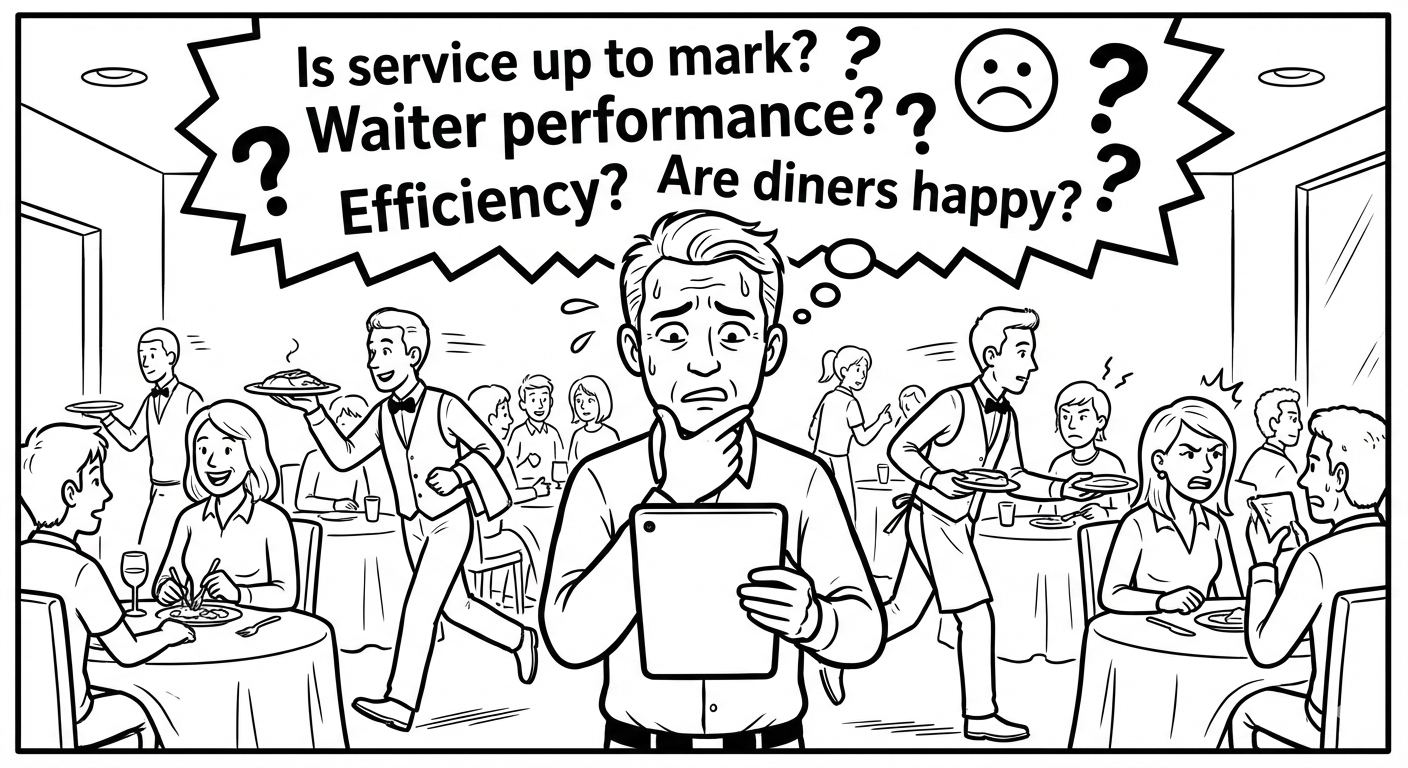
For restaurants, it is very hard to track the dining experience of the guests in real time.
Is service up to the mark?
How well is each waiter performing?
How efficiently are we running the show today?
Are the diners happy with their experience at my restaurant?
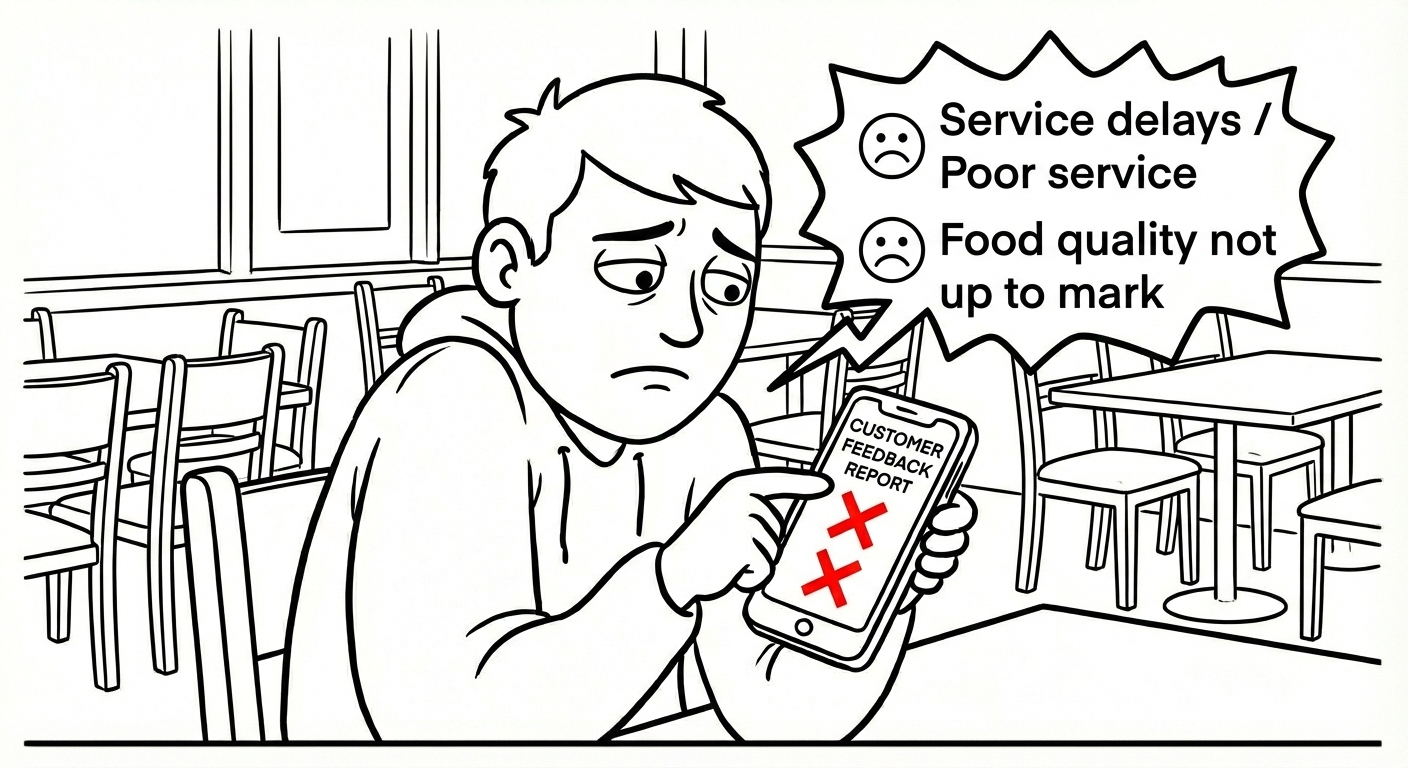
The two main reasons for the diners not coming back are
Service delays and/or Poor service
Food quality not upto the mark
Customer journey
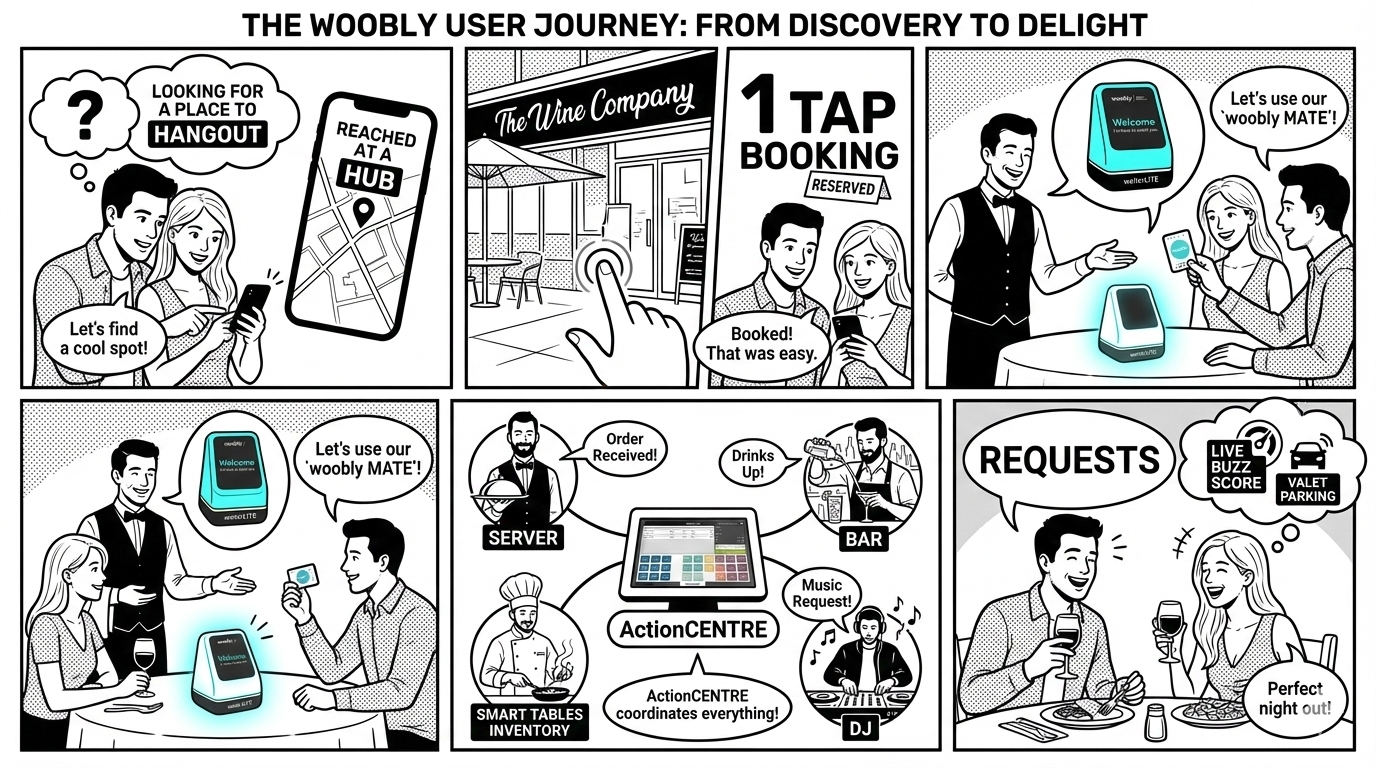
Based upon data from in-person interviews, surveys and user reviews, I organized my observations using a customer journey map.
This helped me expose pain points and areas for improvement in the app along the entire user journey. It also helped spark discussions to help close knowledge gaps and acted as a catalyst for idea sharing and generation between team and stakeholders. Furthermore, I identified various touch-points by intent and task including aspects such as emotions and expectations.
User needs & Business goals
The initial user research uncovered various areas of opportunity & for providing ultimate hangout experience to the diners we required:
Our UVP - At Restaurant Side
Standardization in service and operations through technology - ALEXA for restaurants (a smart table top device)
Our UVP - At customers side (Diners)
Woobly helps to save your time and energy by making hangout experiences predictable, standardized and personalised - UBER for hangouts
Goals for MVP
For the MVP, We kept in mind the business goals and organizational capacity and decided to enter the market from Restaurant Side only.
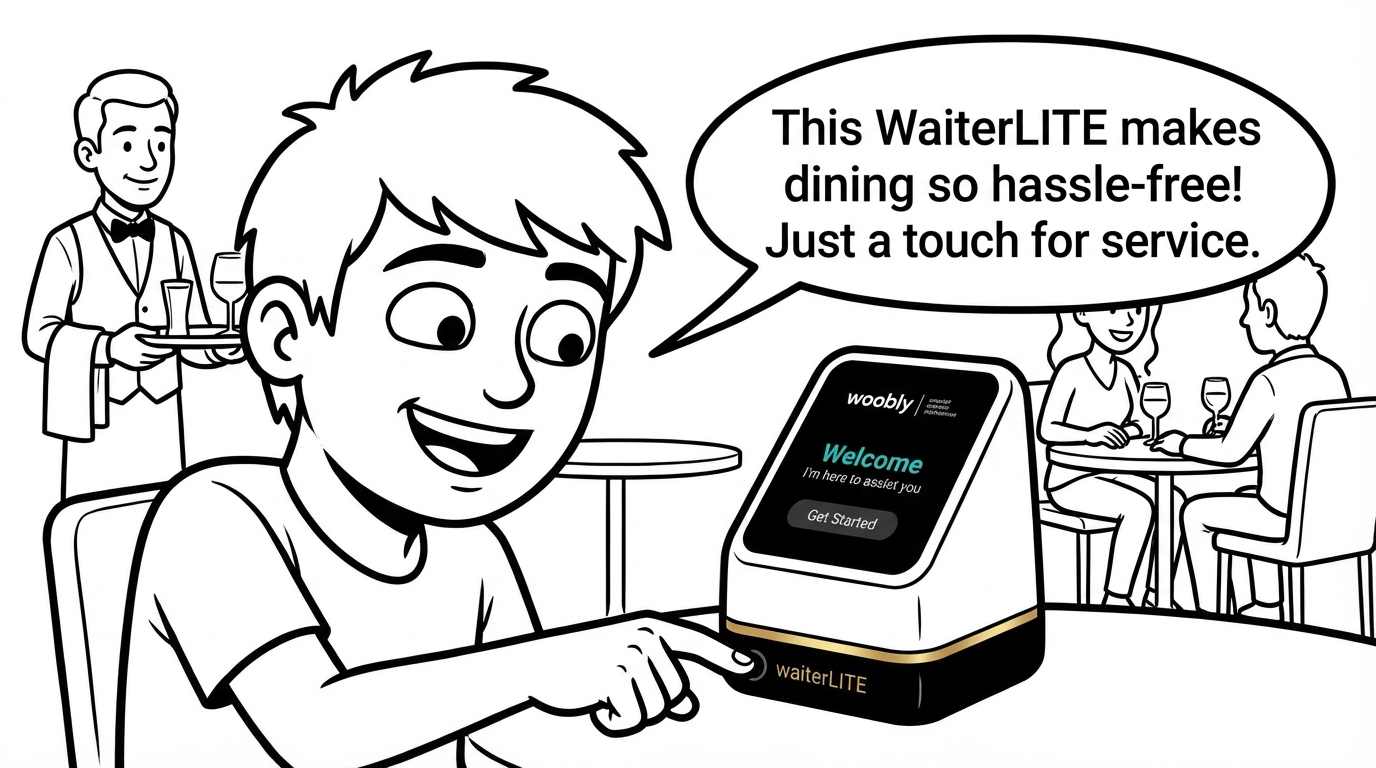
WaiterLITE
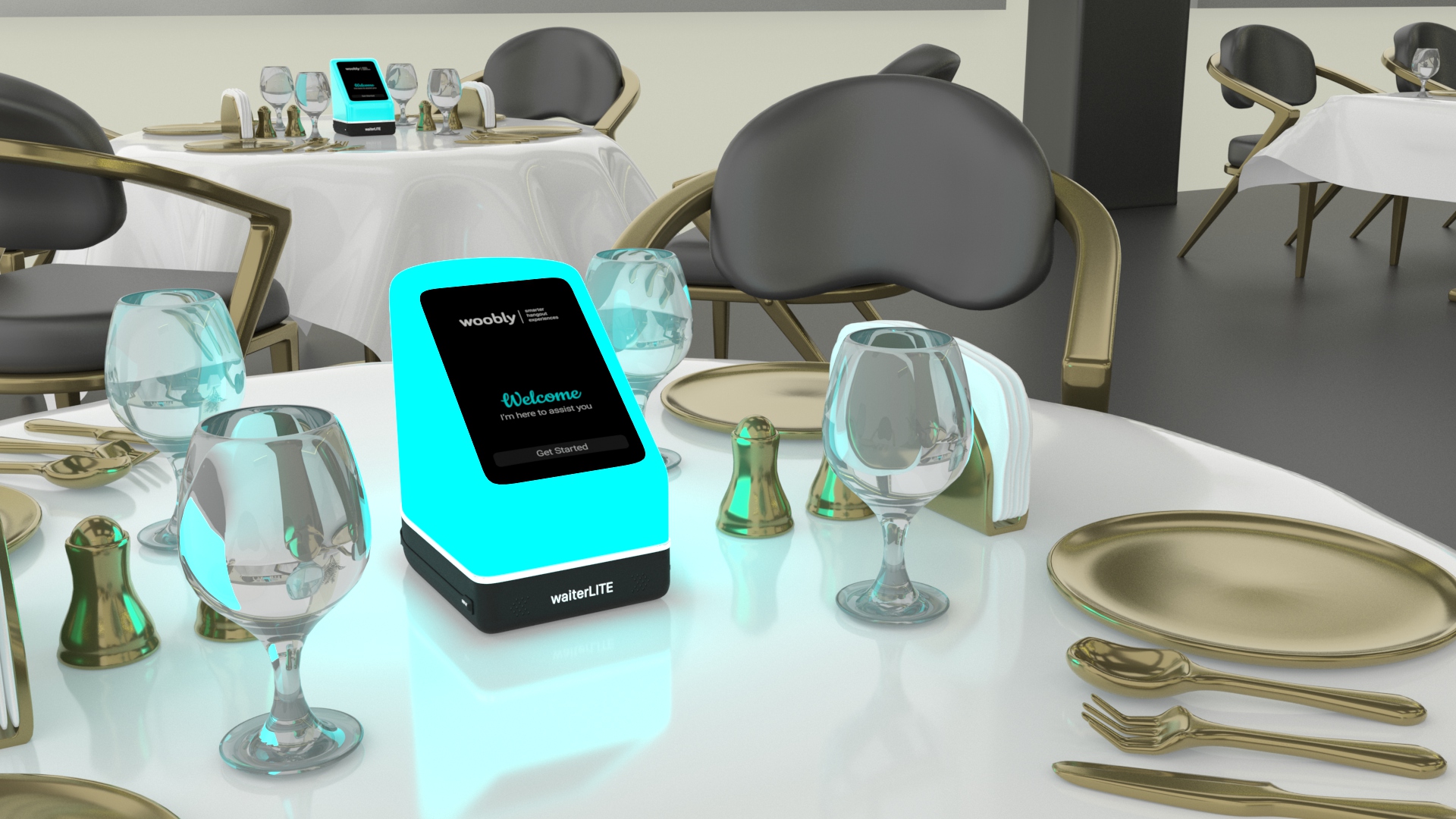
Diners will interact with smart IoT table lamp WaiterLITE, for a hassle free dining experience
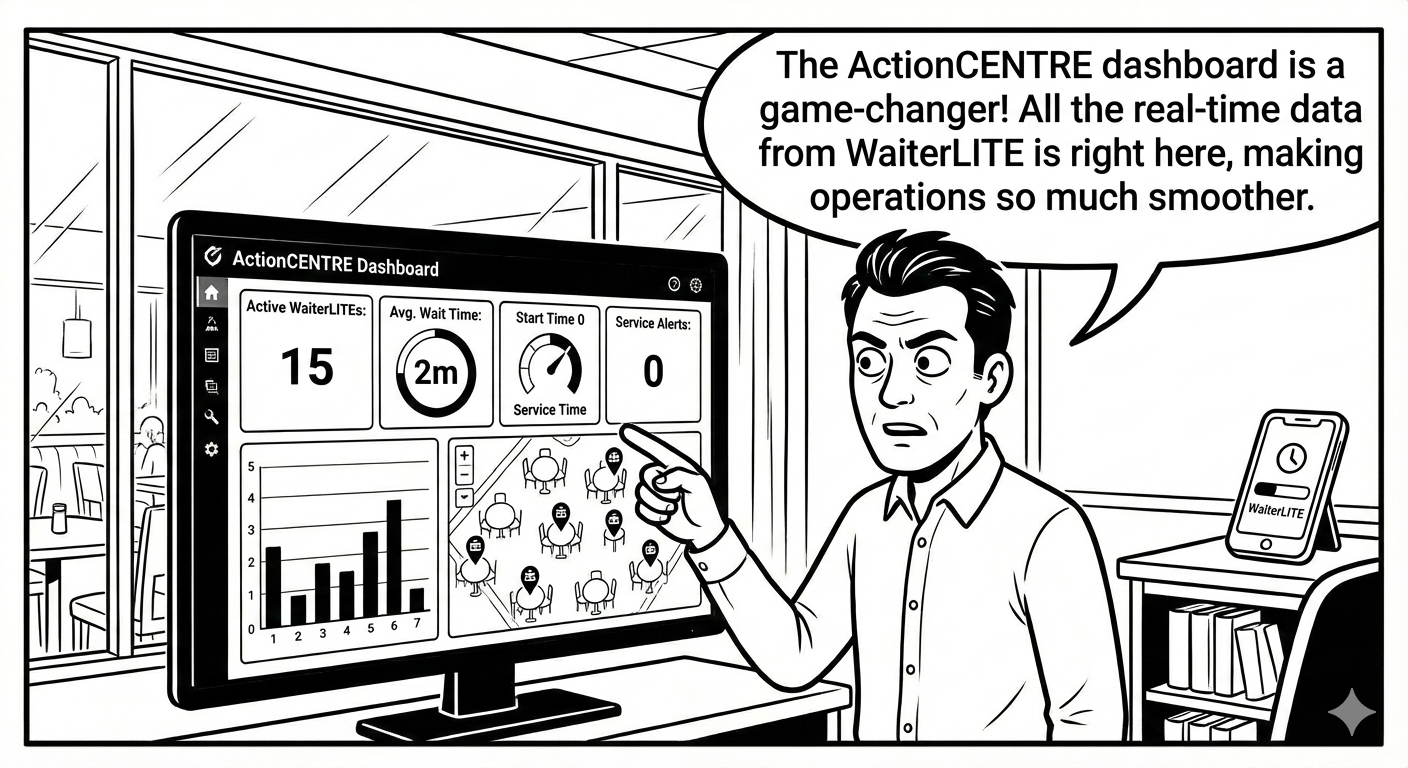
ActionCENTRE
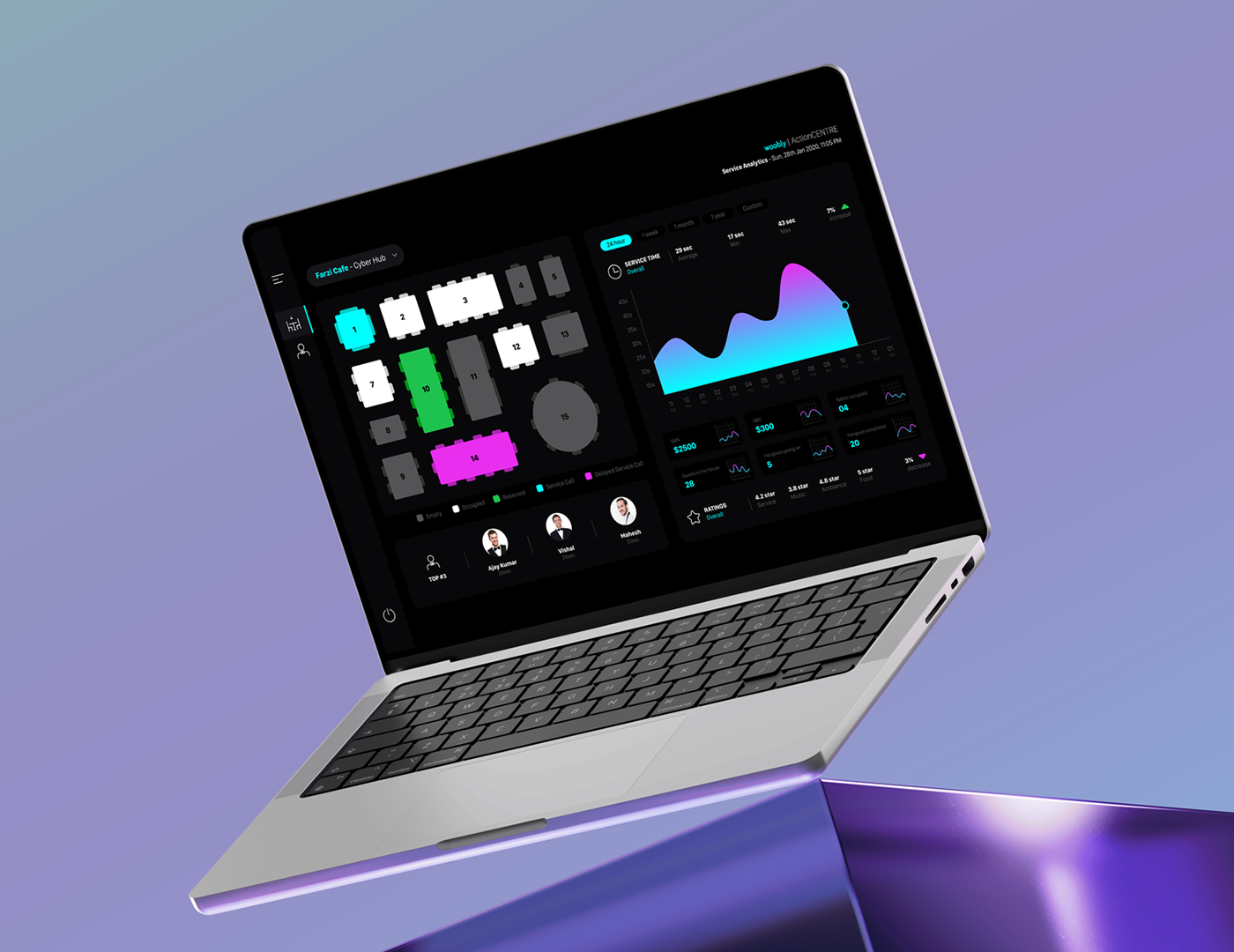
Restaurants manage service and operations through ActionCENTRE dashboard, which is a hub of all the realtime data collected through WaiterLITE
Ideas to Action
I sketched countless ideas and brainstormed various possibilities with my product team and created low-fidelity wireframes and prototypes to test.
Diners simply interact with waiterLITE for any assistance and based on their interaction the waiters, managers can respond if it requires some action without diners breaking their conversations.
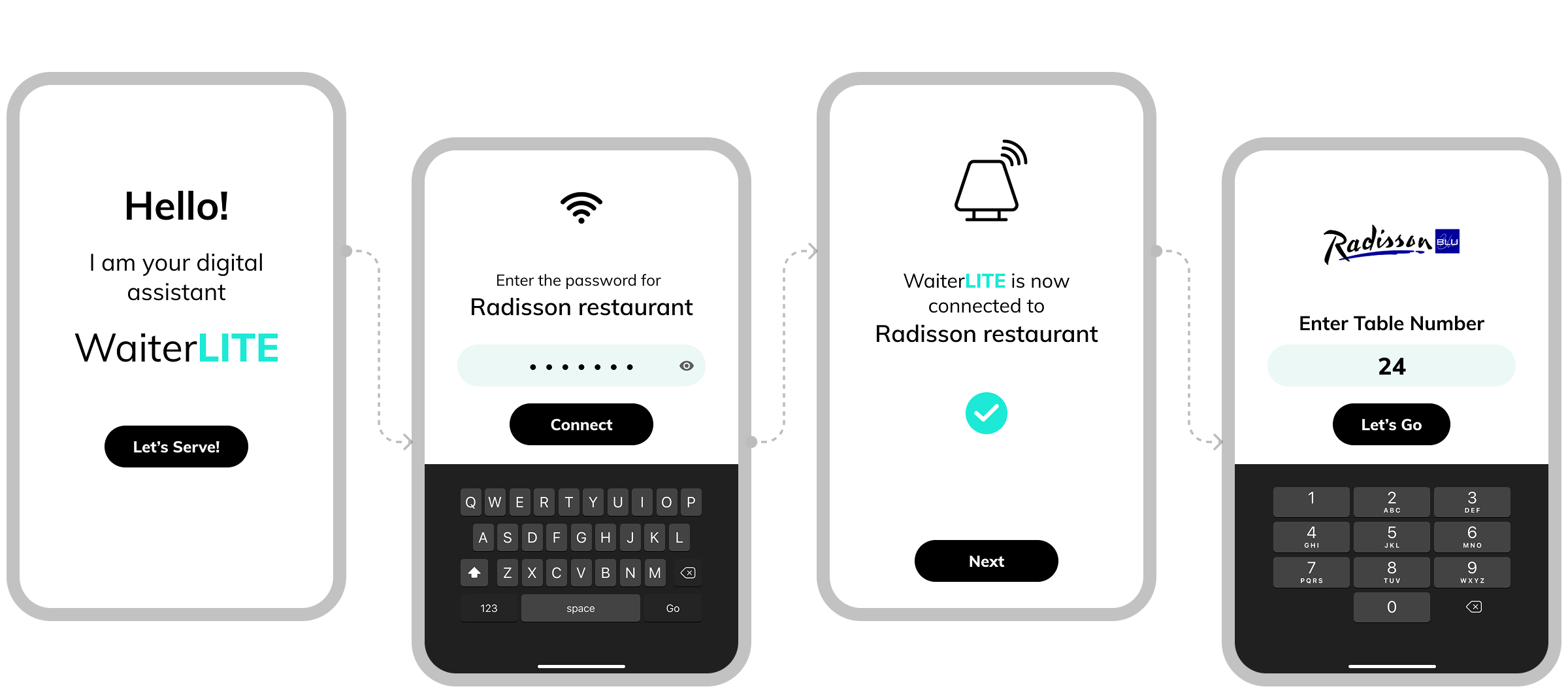
Step #1
Connect WaiterLITE to table
• Server will map the device with table
• Device become ready to use
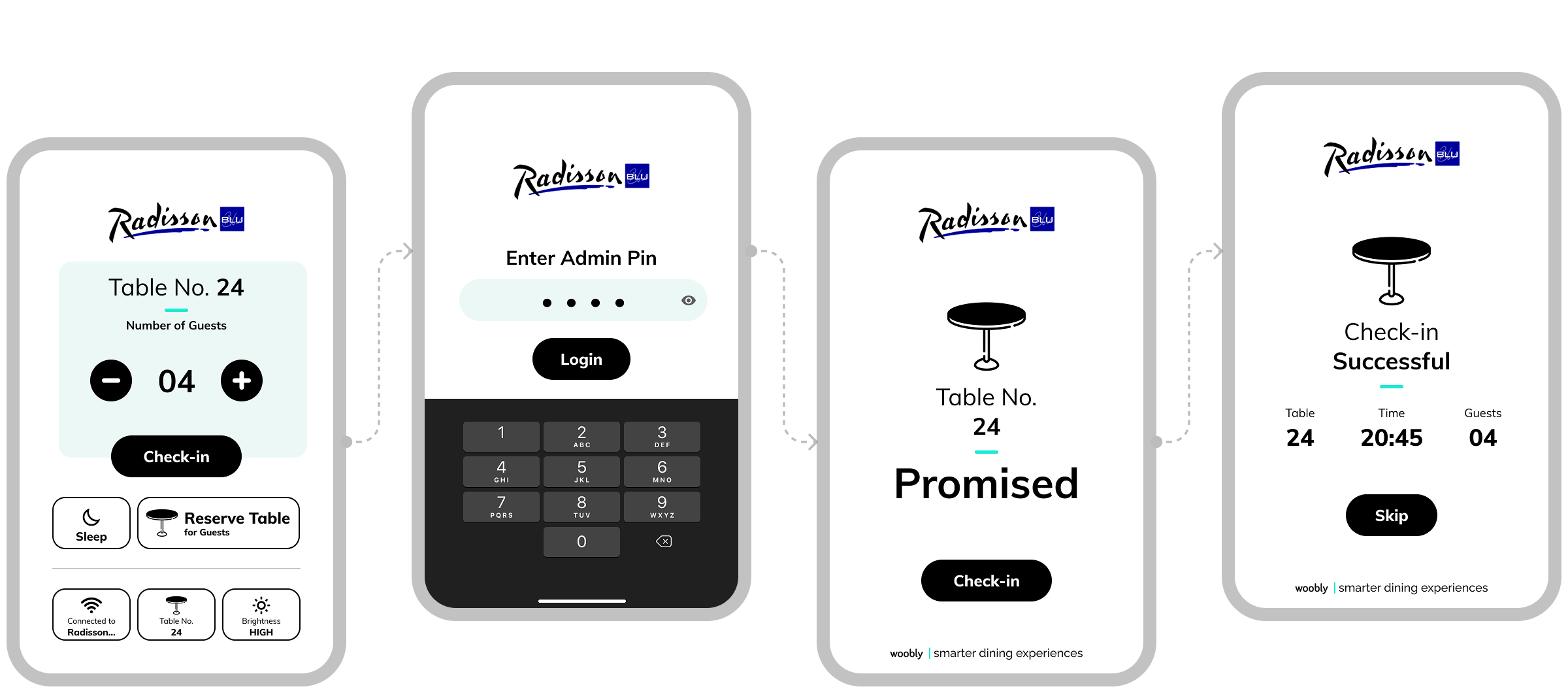
Step #2
Guest check-in
• Server will enter the number of guest
• Click on check-in to start the customer journey
Step #3
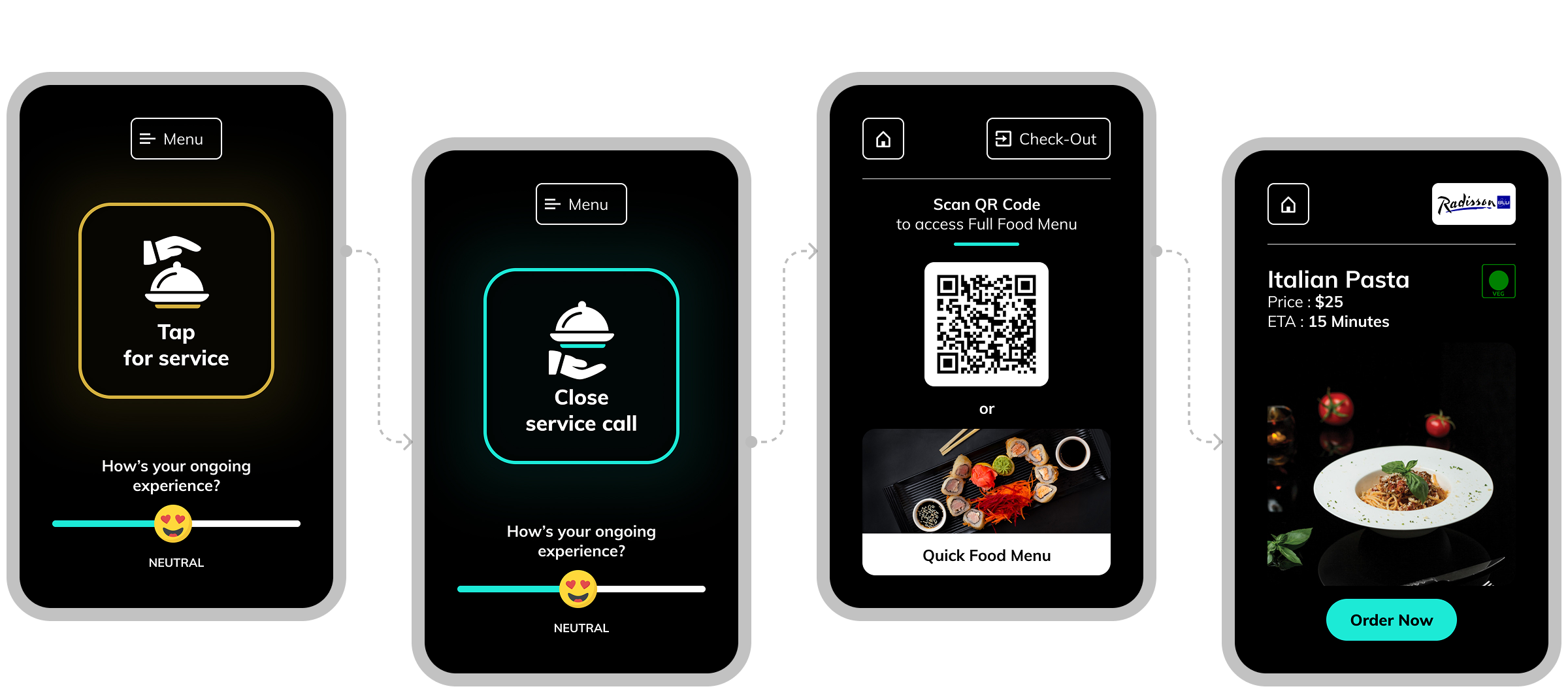
Guest Journey
• Guests will interact with WaiterLITE
• Call servers by tapping on the screen
• Realtime ongoing experience meter
• Explore and order quick food items
Step #4
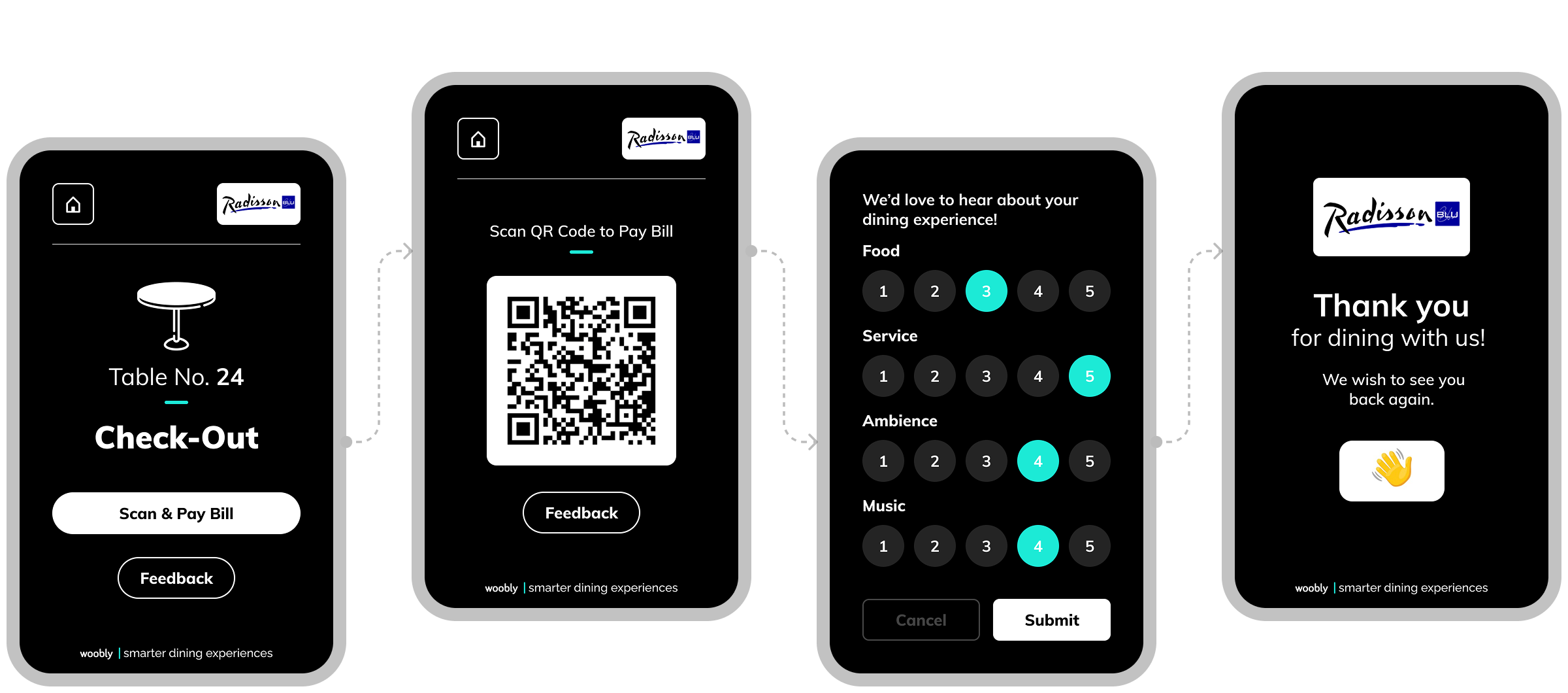
Guest check-out
• Server will check-out the guest from device
• Show the final bill
• Ask for ratings and feedback
Design of WaiterLITE
A smart IoT device which looks like a lamp
During ideation and brainstorming about the WaiterLITE design we observed that:
01. In most of the premium class restaurant they placed a dumb table lamp on the tables which is just to enhance the ambience and mood.
02. In few restaurant we found some mobile powerbank companies are placing there charging devices on the table.
03. There are some tent cards for Reserved Table, Chef Special, Deals, Discounts and so on.
All the above things are taking almost 40% to 60% of table space. So we decided to create a smart device which will replace all the above unnecessary things and will provide all the required information as well.
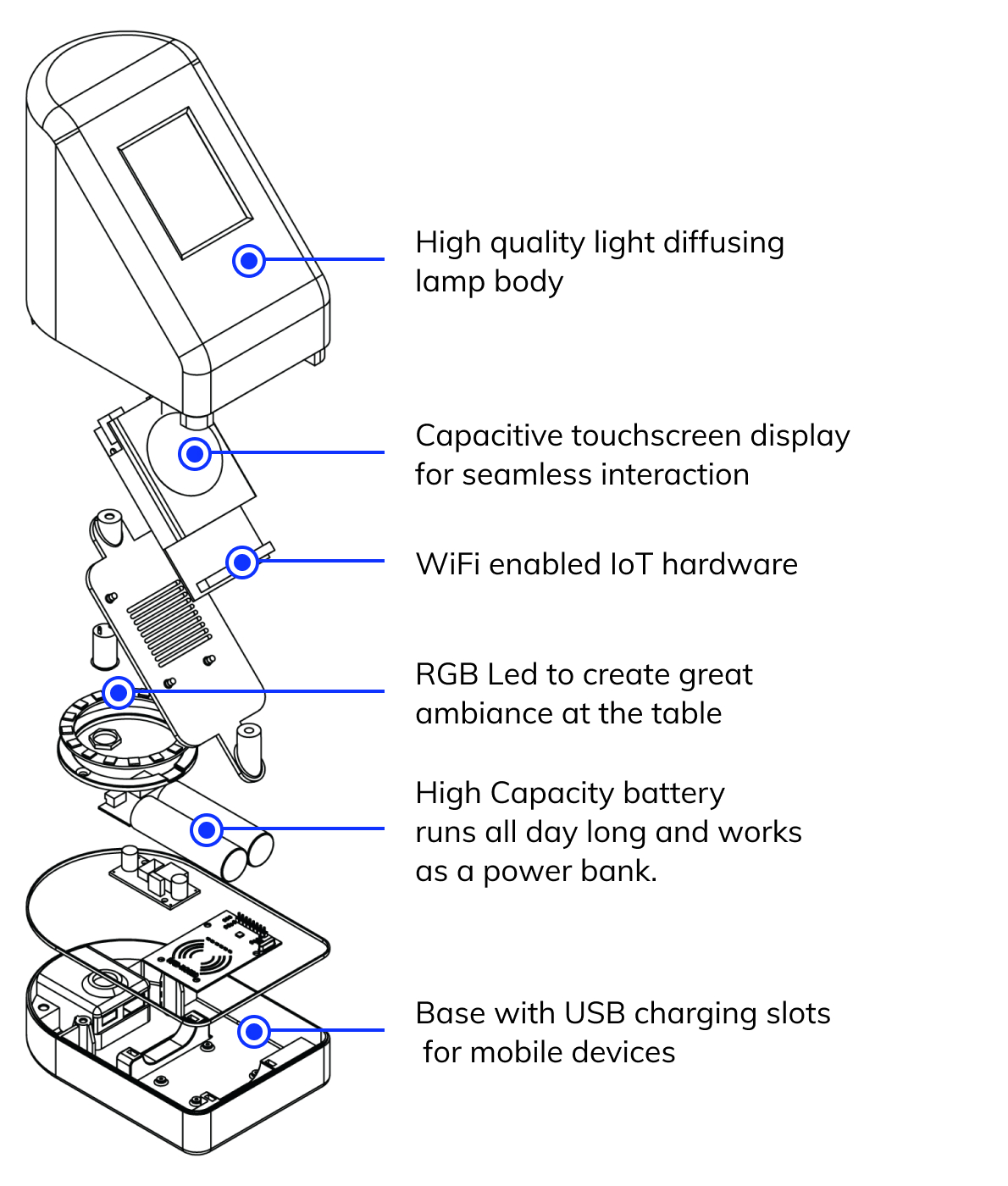
Hardware breakdown:
3D render #1
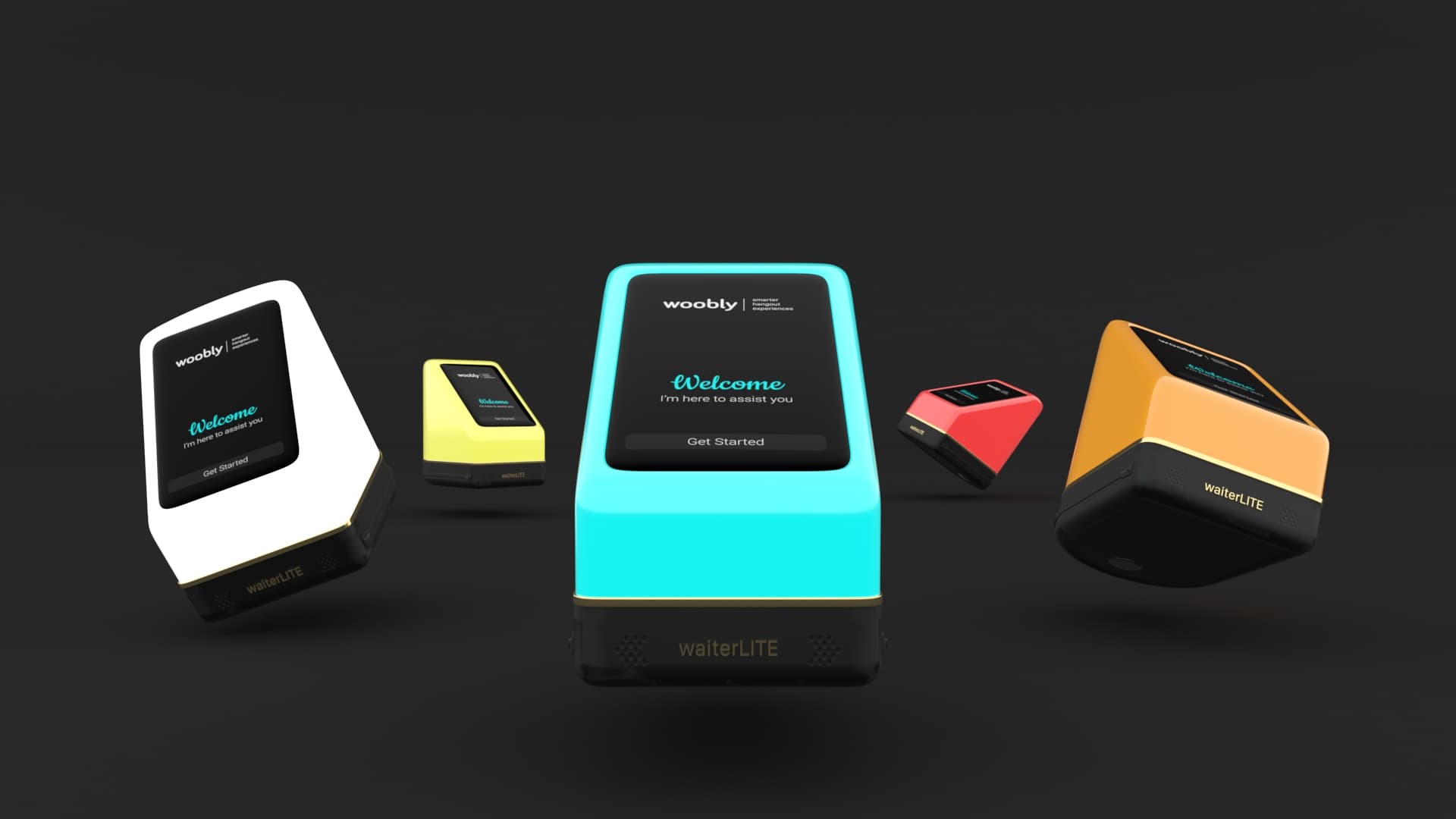
3D render #2
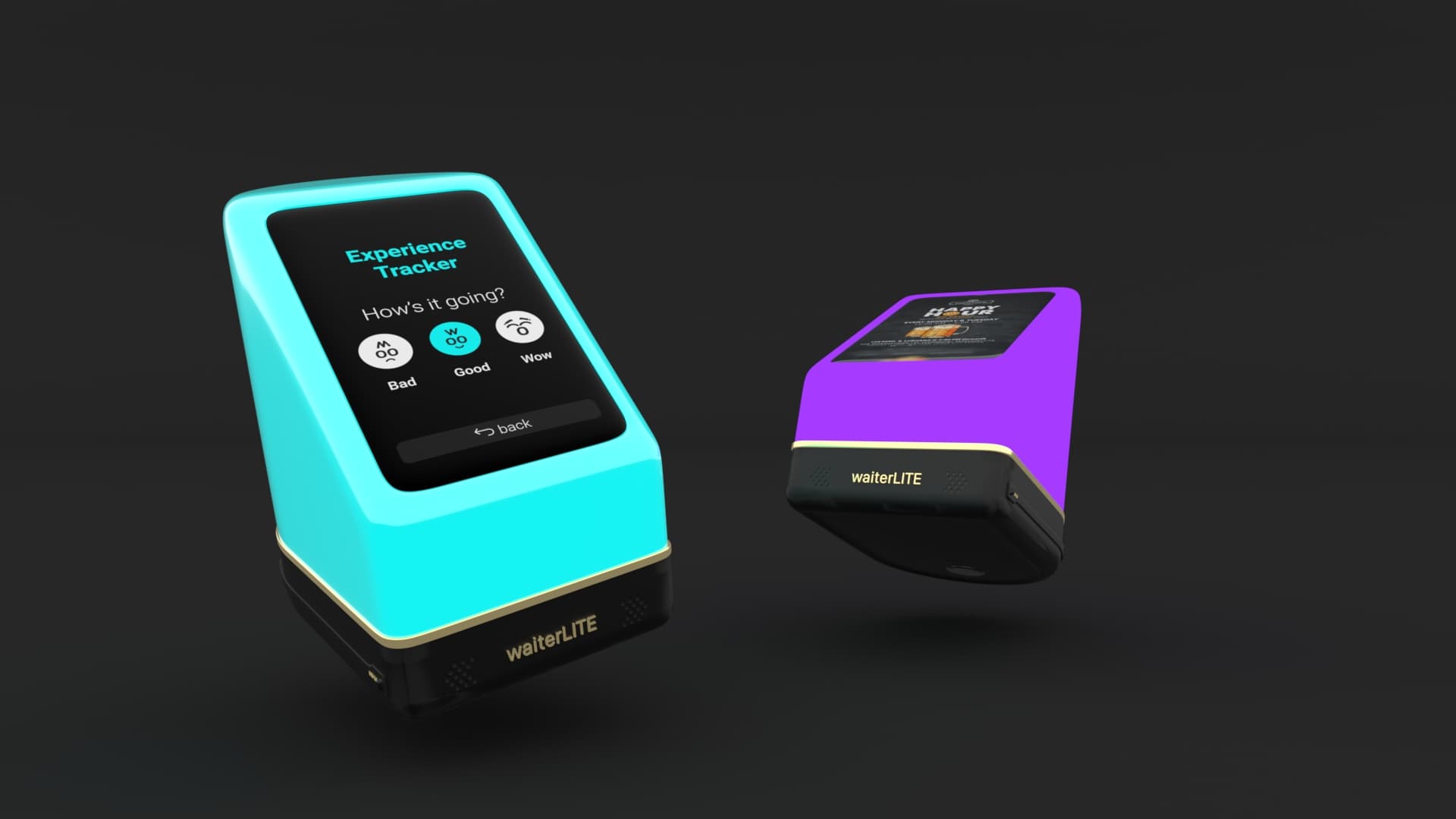
3D render #3
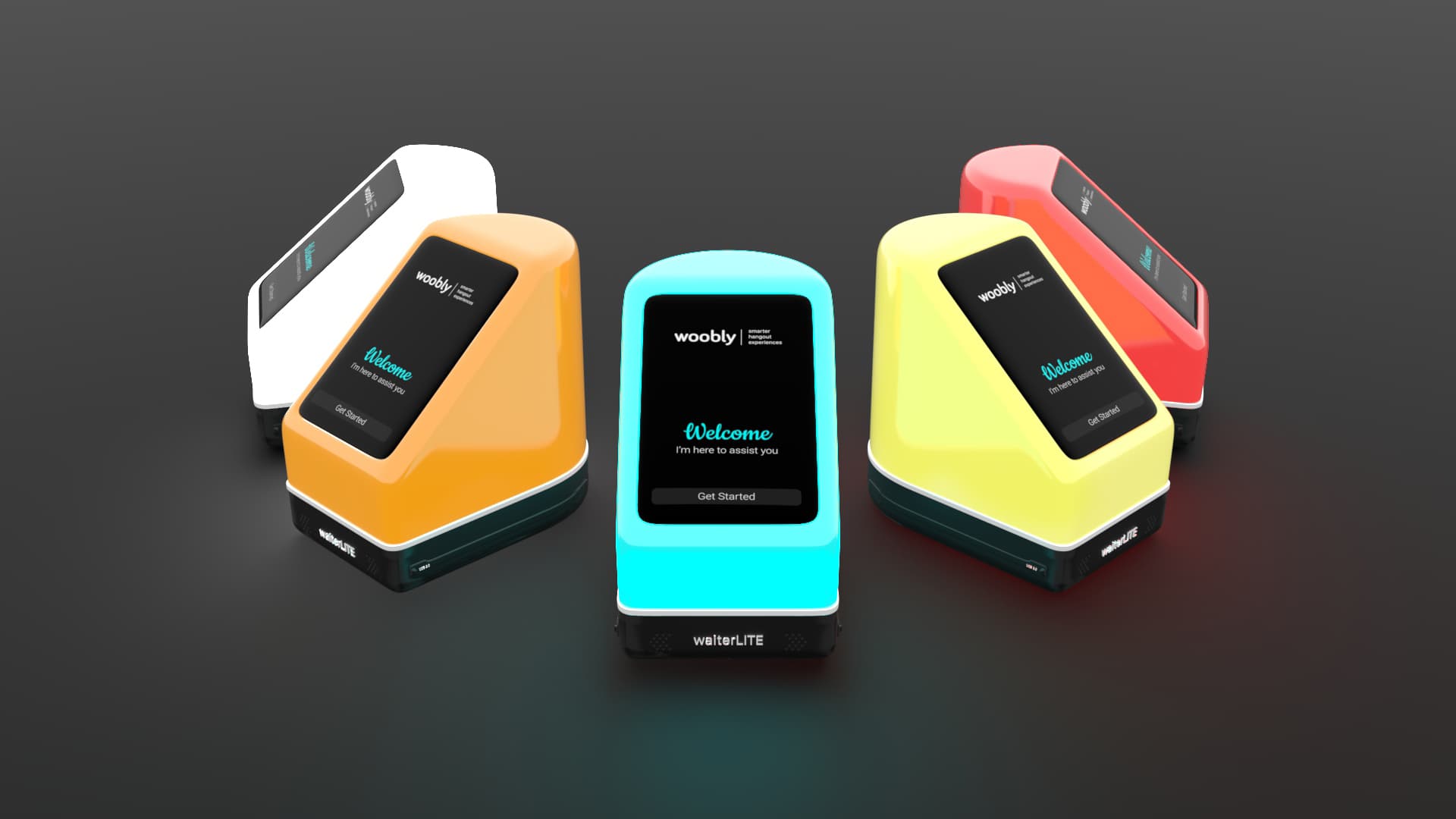
3D render #4
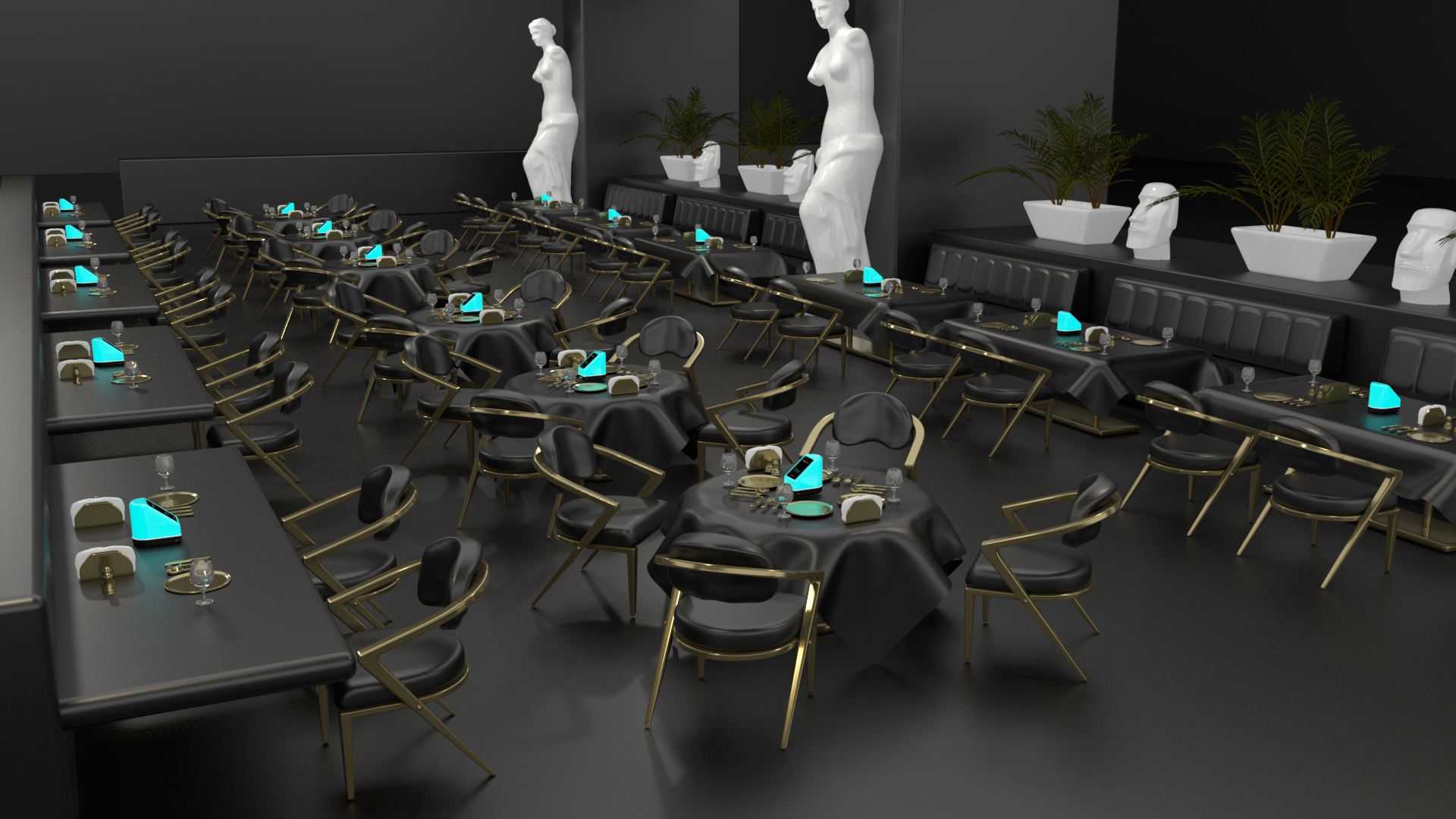
3D render #5
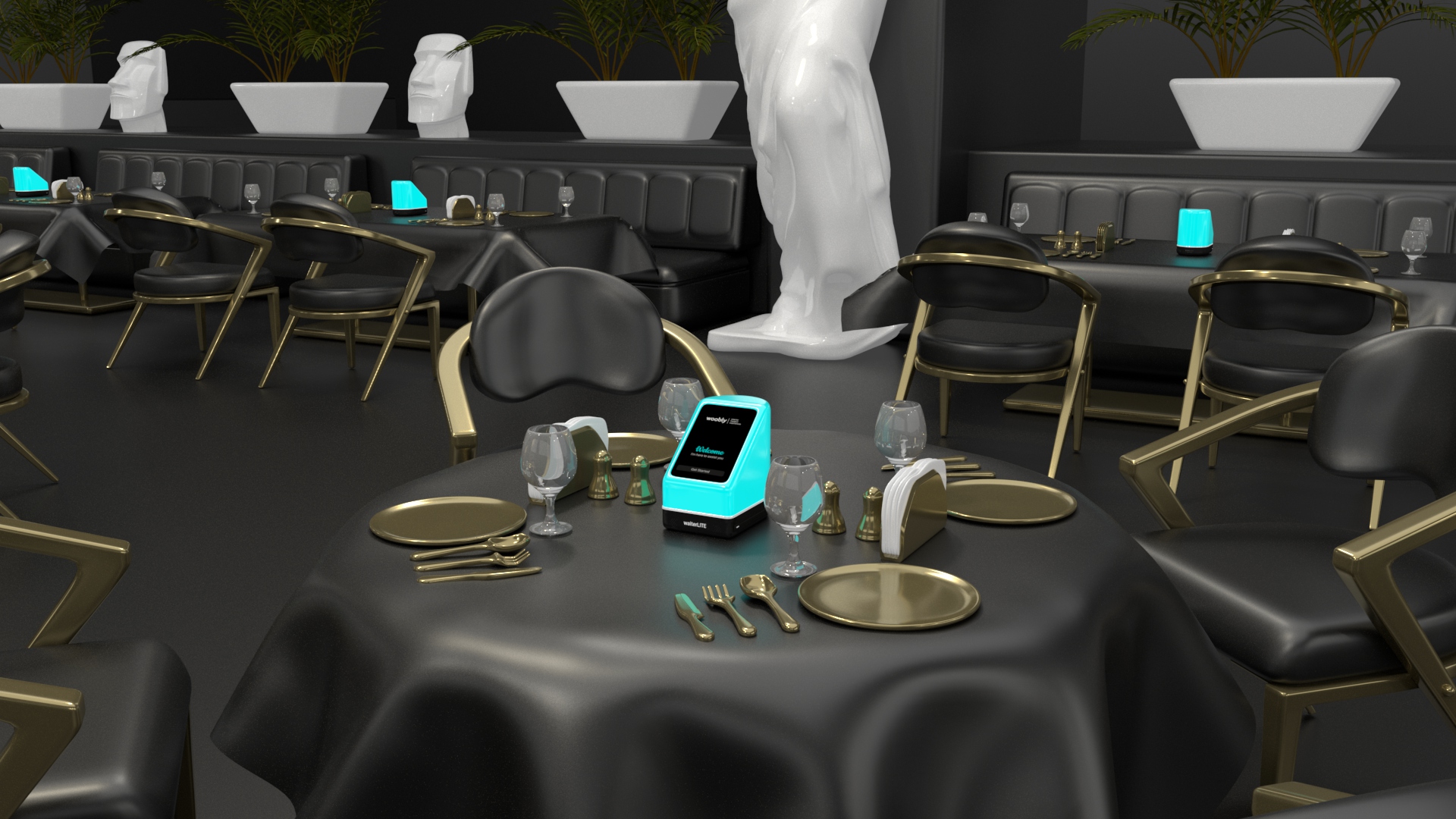
3D render #6
ActionCENTRE
ActionCENTRE is the hub to access all the restaurant’s analytics captured through WaiterLITE and intelligently identifies faults and suggests actionable improvements for better guest retention.
• Overview of sales, service and real-time ratings
• Analyse service calls, response time & revenue generated
• Monitor real-time occupancy & ongoing experience of guests at each table
• Track faults & suggest improvements
What next?
Solving the chicken & egg Problem
We start with the MLP on the B2B side (restaurants), and once that’s validated, we will introduce a B2C app for diners — closing the loop and solving the chicken-and-egg problem.
 Let's talk about your project!